Whether you are a commercial grower
looking to expand or a flower
and plant enthusiast who
would like to bring your summer
garden indoors – The Root
in Brookfield, Illinois can help!
Organic Gardening Tips
More and more gardeners are adopting organic
gardening and having great success. A steady supply of
healthy organic fruits and vegetables are the main benefit
gardeners look for when creating an organic garden at
their home. We are dedicated to helping you achieve the
organic gardening results you want. The tips below will
help you get those results.
Planning, Preparations and Tips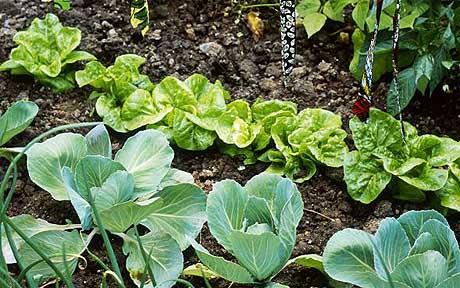
~
Plan Your Organic Garden:
Planning is crucial to a successful organic garden. You
need to consider the layout of your plots. North-facing
gardens in the southern hemisphere and south-facing
gardens in the northern hemisphere are best. If your area
is windy, you will need to find solutions for this, too.
Fencing and wind-barrier plantings are popular ways to
block excessive wind.
Having water close by is just as important.
Installing an irrigation system with a timer is a terrific
idea. It will make the difference between enjoying your
garden and being a slave to it. If you are planting trees
and shrubs, check what their mature size will be. Many
shrubs and trees are difficult to move. Trees will grow
and make shade, so don't forget they do this. Sun-loving
plants and flowers can't thrive in the shade.
~
Proper Watering:
We all know that plants need water, but over and
under-watering are some of the biggest reasons for an
unsuccessful garden. Over-watering prevents plants from
creating deep root systems, which are essential to the
long-term health of the plant and your garden.
Over-watering also tends to leach nutrients and lime out
of the soil, causing poor growth and acidity. Finally,
over-watering can wash chemicals, fertilizers, weed
killers and plant nutrients off your property and into
streams, rivers, ponds, and lakes. Such a situation can
contaminate groundwater and, eventually, drinking water.
Water your plants deeply about once a week and make
sure the water goes deep into the soil and is not just
wetting the surface. Under-watering your plant leads to
dehydration. This weakens and stresses the plants, makes
them susceptible to diseases, and reduces yields. Mulch
can help with both of these problems. Mulch helps maintain
more consistent moisture for your plants, and helps
prevent weeds.
~
Avoid Using Inorganic Fertilizers:
Inorganic fertilizers (those green crystals) contain too
much salt and heavy metals, and prevent the growth of
earthworms and soil microorganisms. They provide major
nutrients, but don't feed the soil. The bottom line with
fertilizers is: you want to feed the soil, not your
plants, because your plants know how much to feed
themselves!
Excess nitrogen can decrease the number of flowers
and fruits your plants produce. Excess nutrients, in
general, pollute our waterways. These have become dead
zones in many regions where major rivers run into the
oceans.
|
